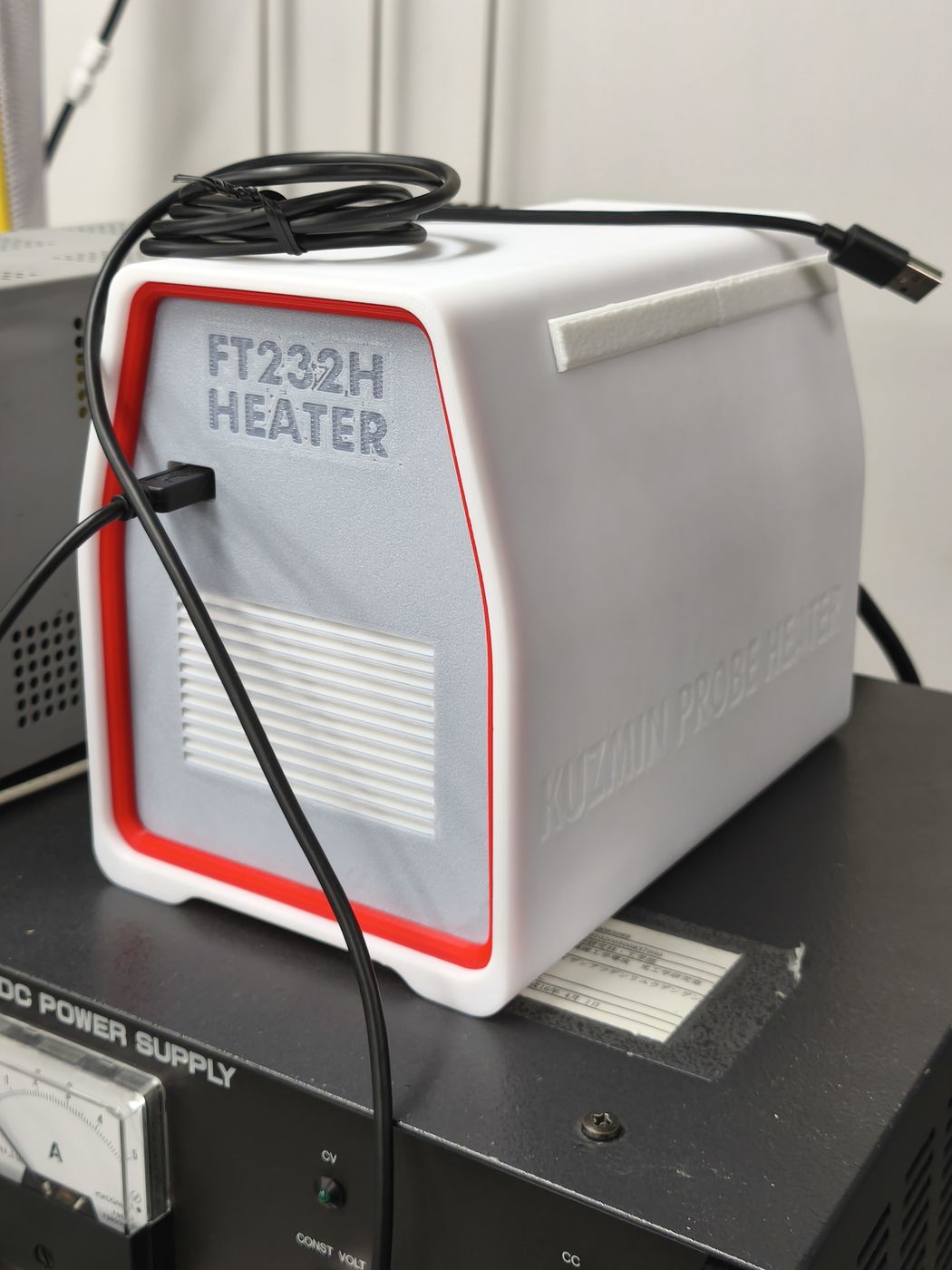
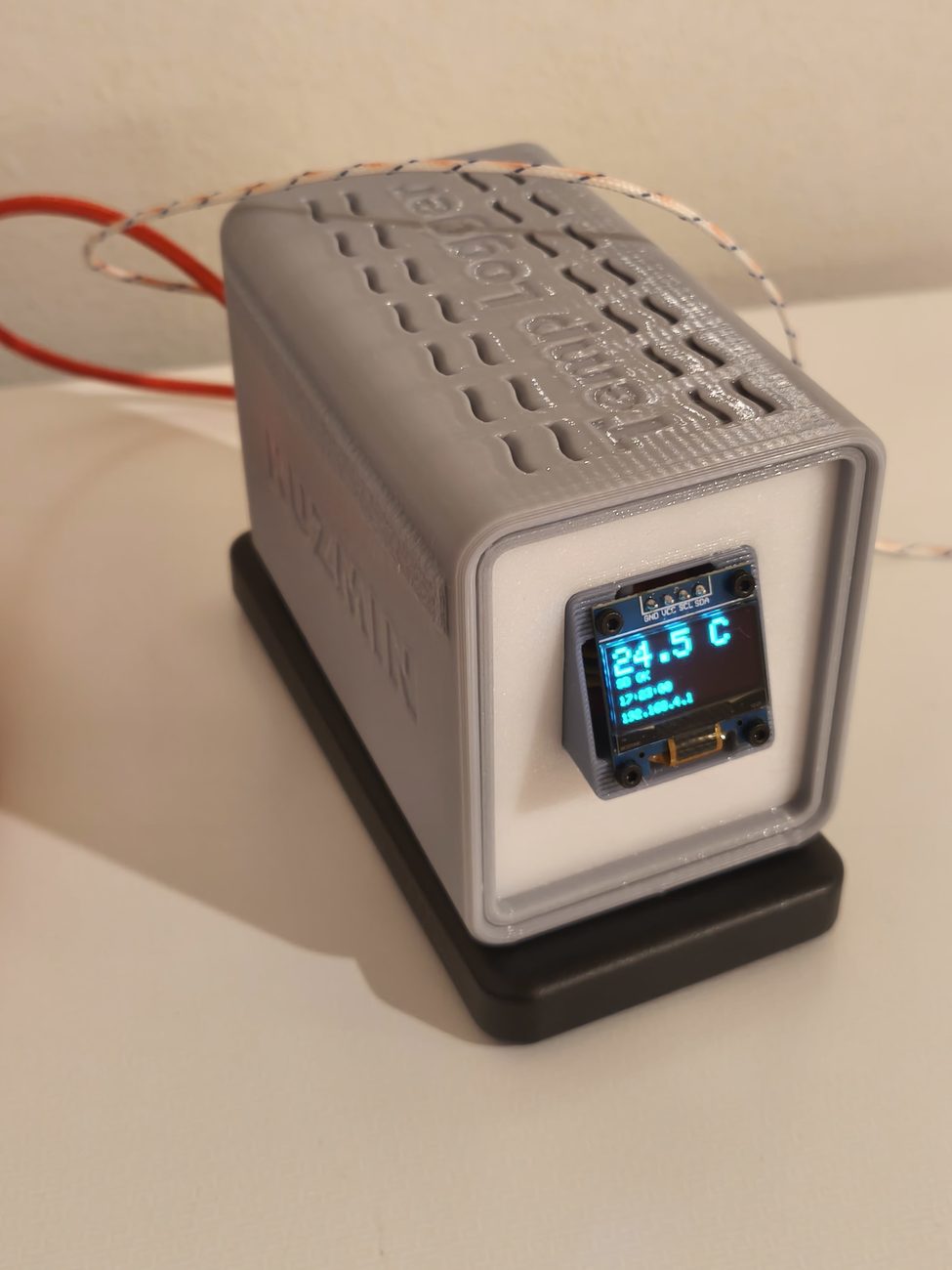
An open-source control and data-acquisition unit for my plasma irradiation and hydrogen transport experiments (PIHTI). It runs on a Raspberry Pi with a Python/PyQt interface — logging vacuum and plasma parameters, driving the gas flows, and closing the loop on plasma current — while staying cheap, hackable, and fully documented.
Instrument control
Plasma Device Control Unit
Open-source control and acquisition unit for plasma experiments.
What it does
- Orchestrates a plasma run end to end — logging chamber pressures and plasma/probe currents through onboard ADC boards over long, steady-state operations.
- Drives the process-gas mass-flow controllers and closes a feedback loop on the plasma current.
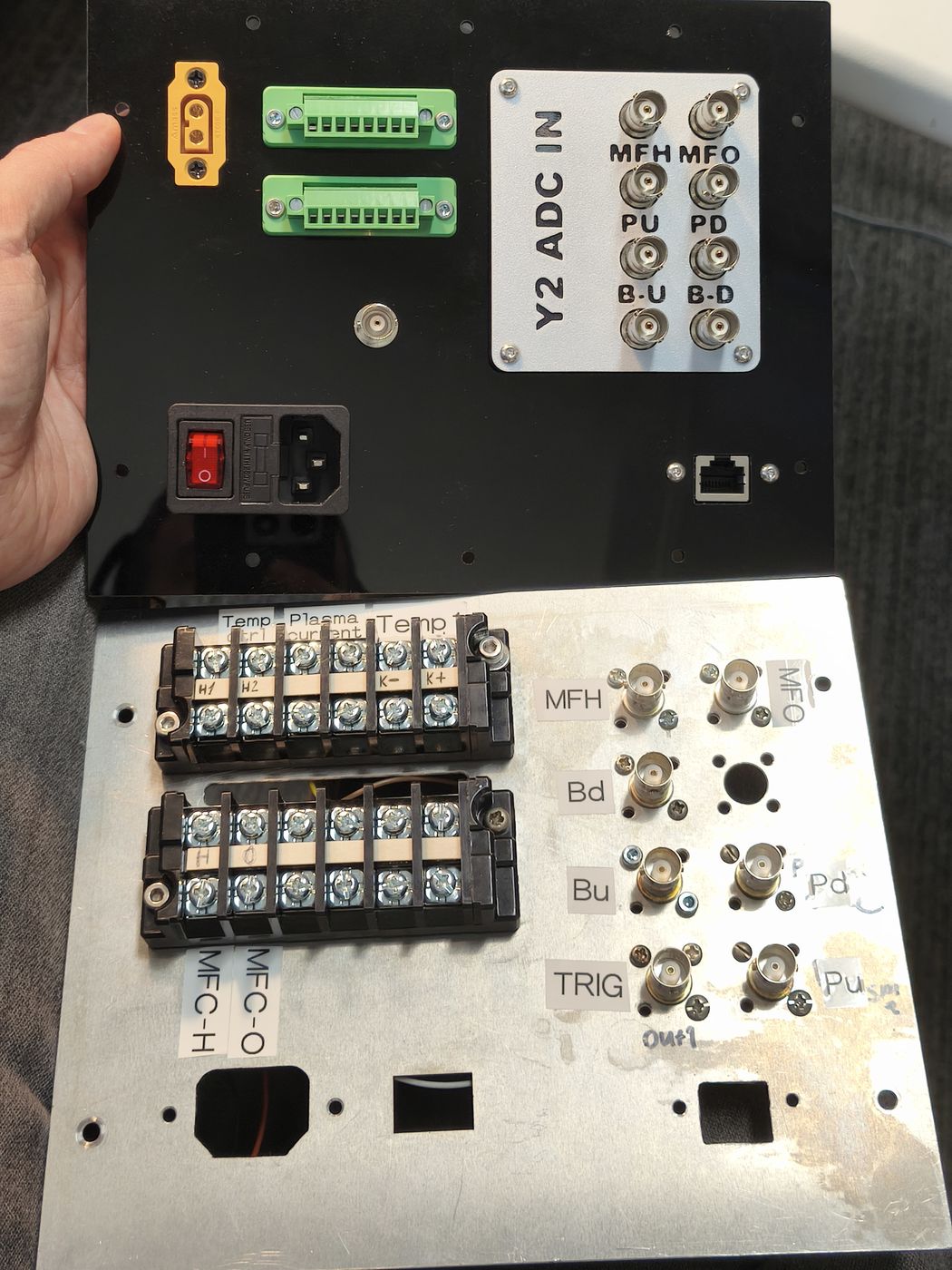
- Emits sync signals and a front-panel LED to time-align external instruments such as the QMS.
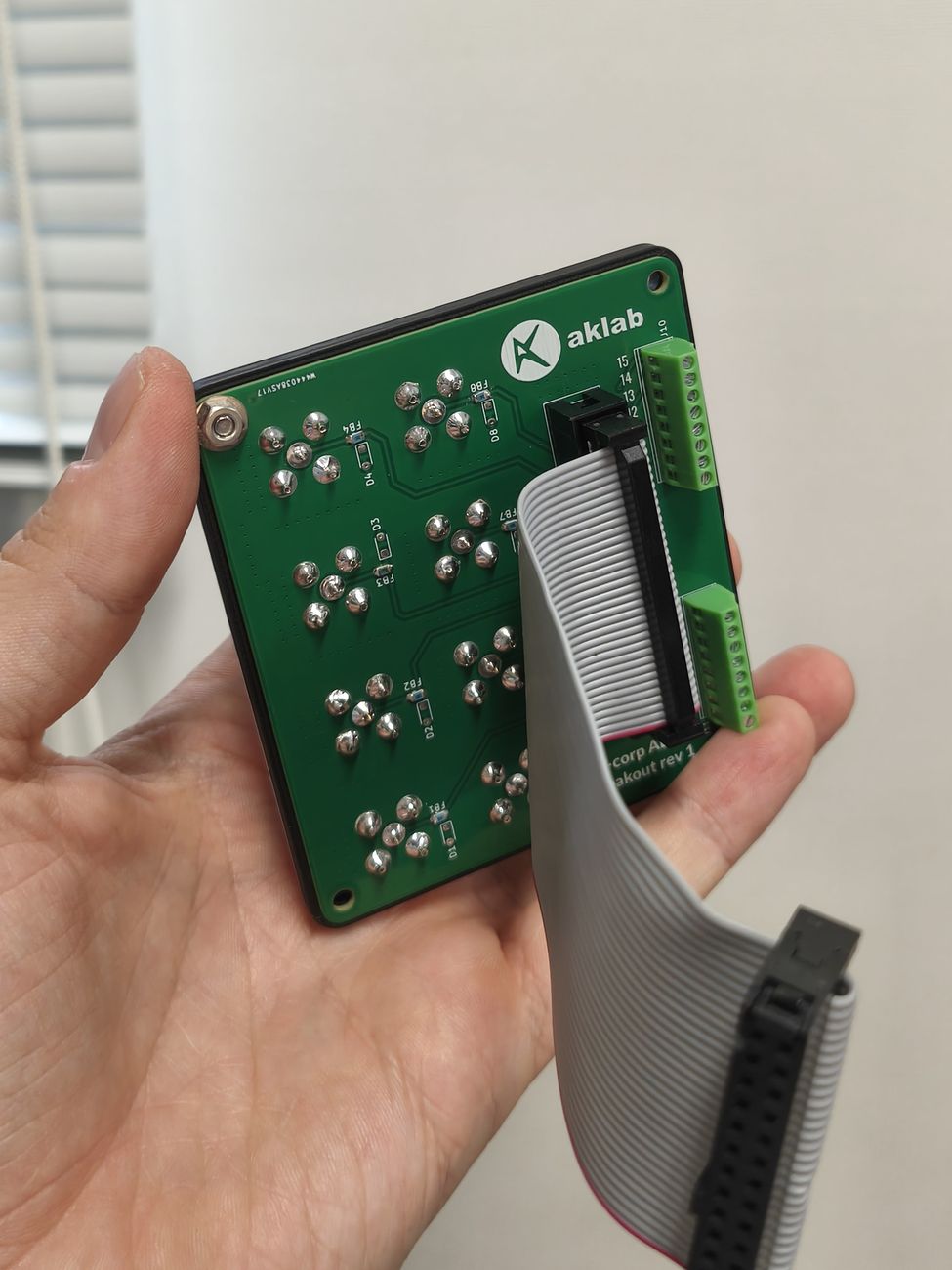
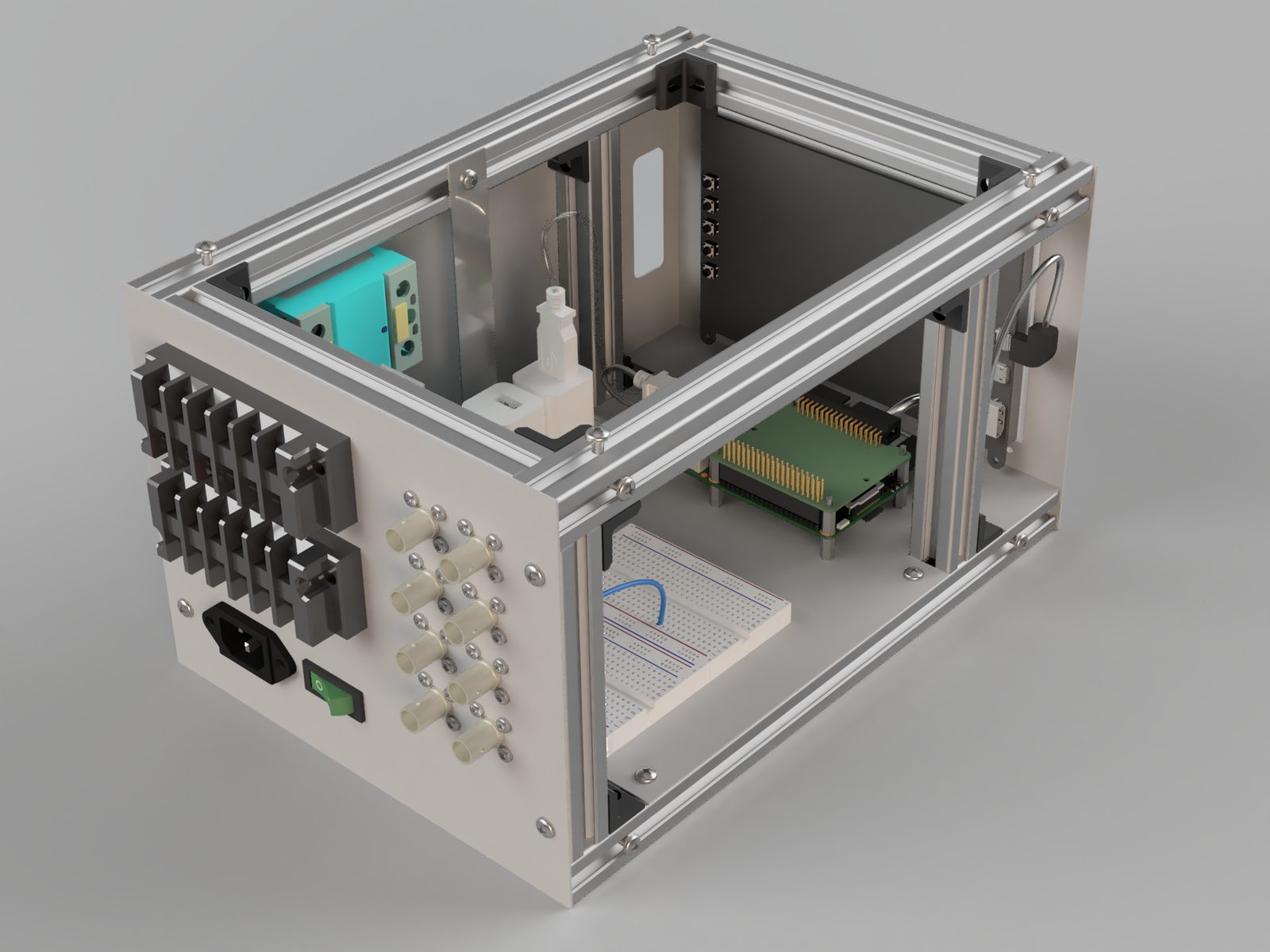
- Built on a Raspberry Pi with custom PiHat breakout PCBs, Hall current sensors, a proper power supply, and deliberate grounding and EMI proofing.
- Python software — open-source and documented.
From spaghetti to an instrument
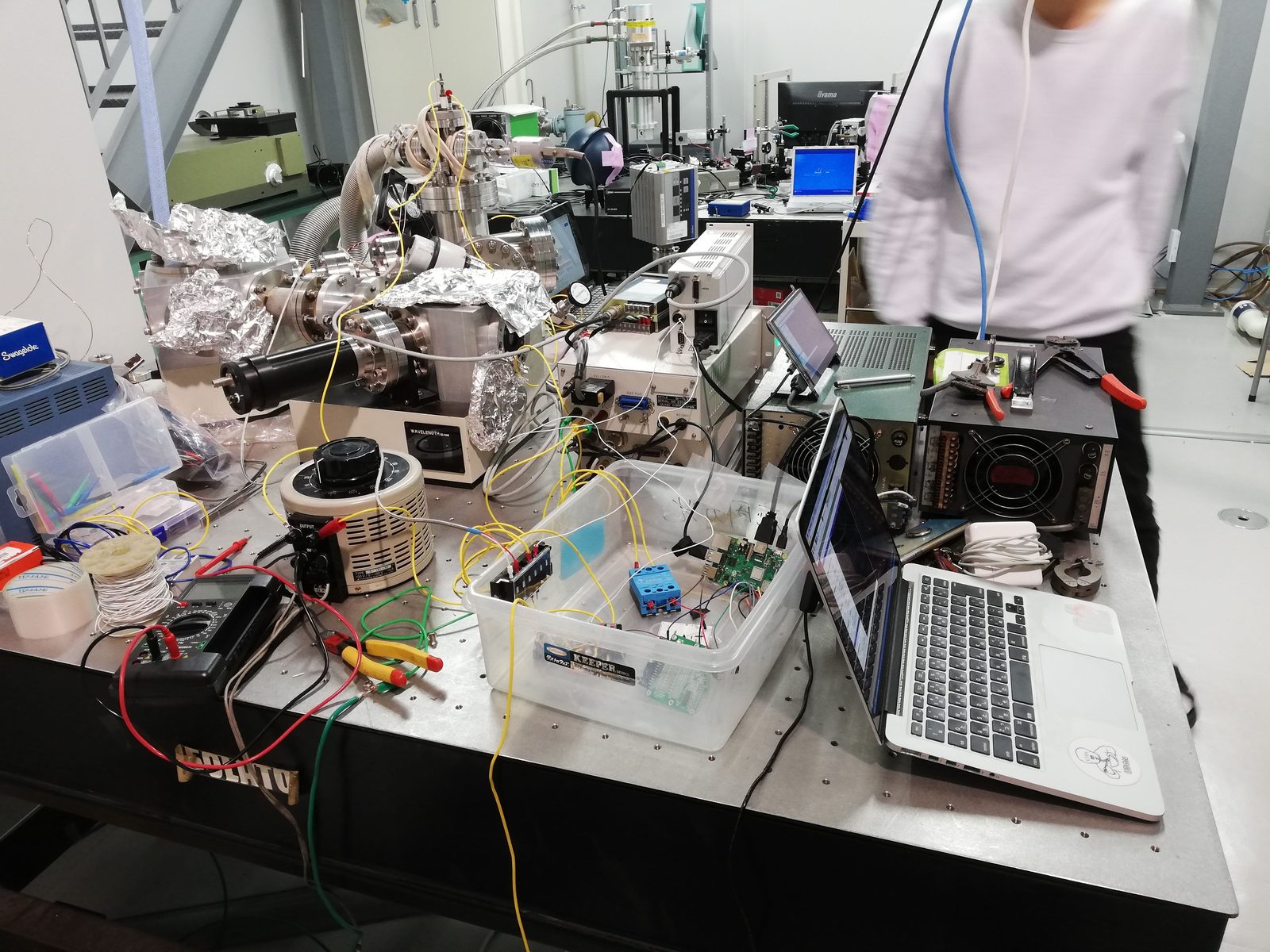
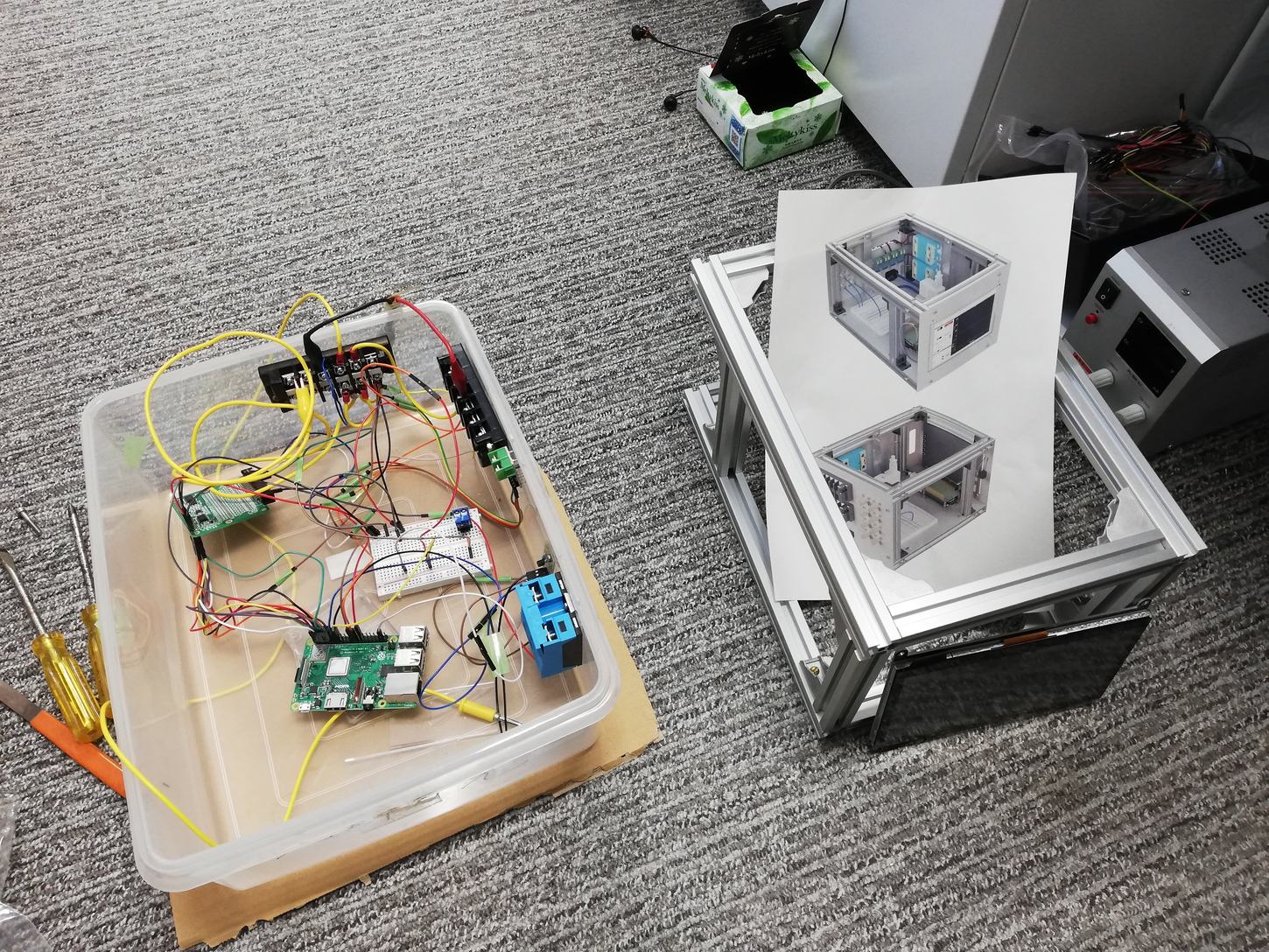
The unit grew up over six years. It began as a bare Raspberry Pi and a HAT living in a plastic food box, wired straight into the experiment. That prototype earned a proper home — an aluminum-extrusion enclosure drawn in CAD, then built, with the boards, breadboard, and feedthroughs laid out behind a real front panel. The current generation adds a proper MeanWell PSU, custom breakout PCBs, and genuine attention to grounding and signal routing: the difference between "works on the bench" and an instrument you can trust.
Where it's going
The next step trades the single box for small, self-contained modules — 3D-printed slide-in cases that drop into a rack, each an ESP32 (or Raspberry Pi) that talks over LAN. Let the network carry the distance, and keep the fast, noisy SPI/I²C buses local to each module, so a sensor's analog front end never has to cross the lab.
It's a deliberate bet against the National Instruments / LabVIEW way: something more flexible, far cheaper, and — honestly — more charming. If there is ever time to finish it. But someone will.
Gallery